
Microneedling is one of the most effective treatments for acne scars, especially atrophic scars like rolling and boxcar scars, but it is not a treatment for active, inflamed acne. Needling over live breakouts can spread bacteria and make things worse, so the procedure is used after acne is under control to repair the marks it leaves behind.
Here’s exactly what microneedling for acne can and can’t do, how it works, what a session looks like, and who should skip it.
Does microneedling work for acne scars?
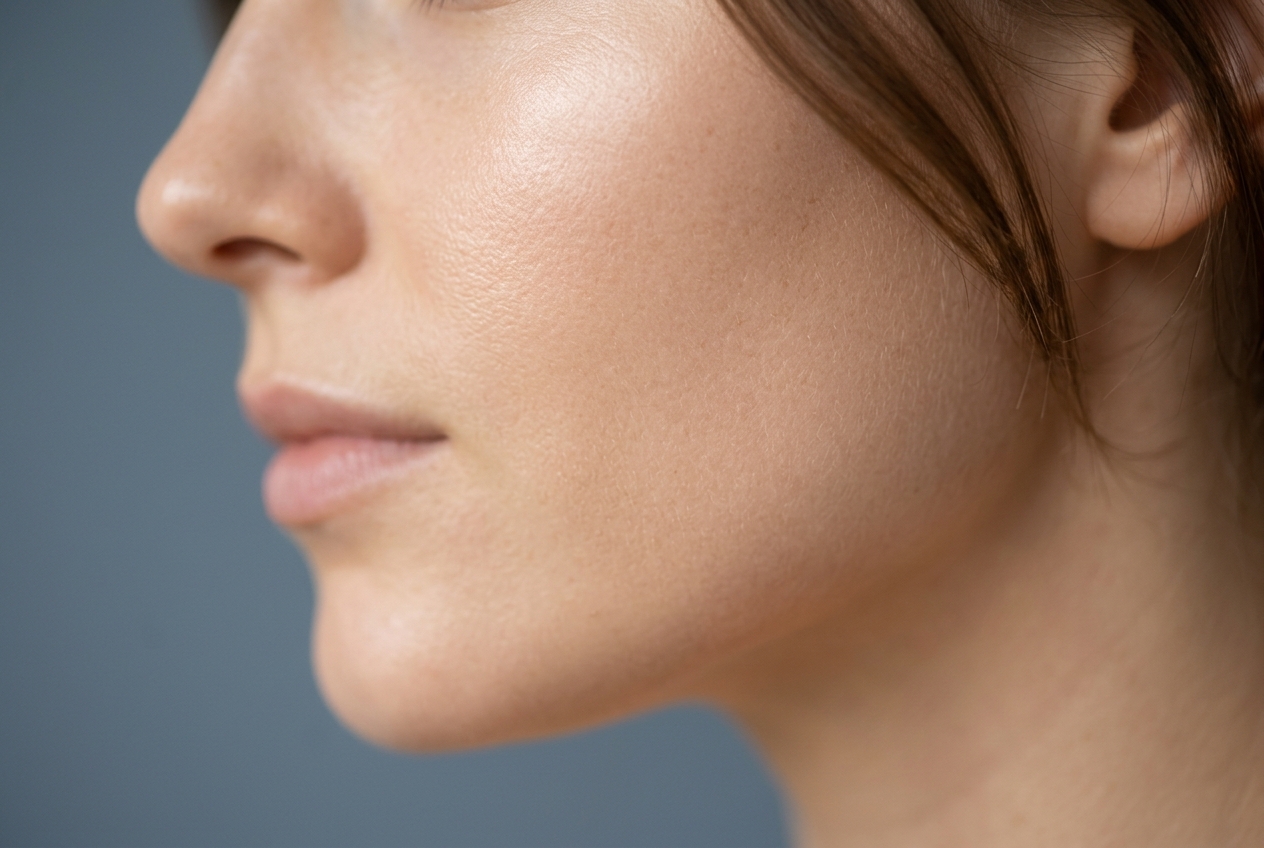
Yes. Microneedling (also called collagen induction therapy) is a well-established option for softening atrophic acne scars, the depressed scars left behind after breakouts heal. It tends to work best on:
- Rolling scars, shallow, wave-like depressions in the skin
- Boxcar scars, broader depressions with sharper edges
- Ice-pick scars, small, deep pits that often need microneedling combined with other treatments
By creating controlled micro-injuries in the scar tissue, microneedling triggers the skin’s natural wound-healing response, prompting fresh collagen and elastin to fill in and smooth the depressions over a series of sessions. It is far less useful for raised (keloid or hypertrophic) scars, which need a different approach.
Can you microneedle over active acne?
No. You should not microneedle over active, inflamed, or pustular acne. This is the single most important safety point on this page:
- Dragging needles through a pimple can spread acne-causing bacteria across the skin and trigger new breakouts.
- Puncturing inflamed lesions can worsen inflammation and raise the risk of infection.
- Needling over active cysts or pustules can lead to more scarring, the opposite of what you want.
That’s why active acne is a standard contraindication for microneedling. The correct sequence is simple: get the breakouts under control first (with a dermatologist’s help if needed), then use microneedling to treat the scars they leave behind.
How does microneedling improve acne scars?
Old acne scars form partly because the skin lost collagen in the injured area. Microneedling rebuilds it:
- A device with fine needles creates hundreds of tiny channels in the skin.
- The body reads these as micro-wounds and launches its natural repair response.
- New collagen and elastin form, gradually plumping depressed scars and improving overall skin texture and tone.
Results build over multiple sessions rather than overnight. If you want the fundamentals first, see what microneedling is and how it works.
What happens during a microneedling session?
Before: A professional assesses your skin and usually applies a numbing cream around 30 minutes beforehand to keep the treatment comfortable.
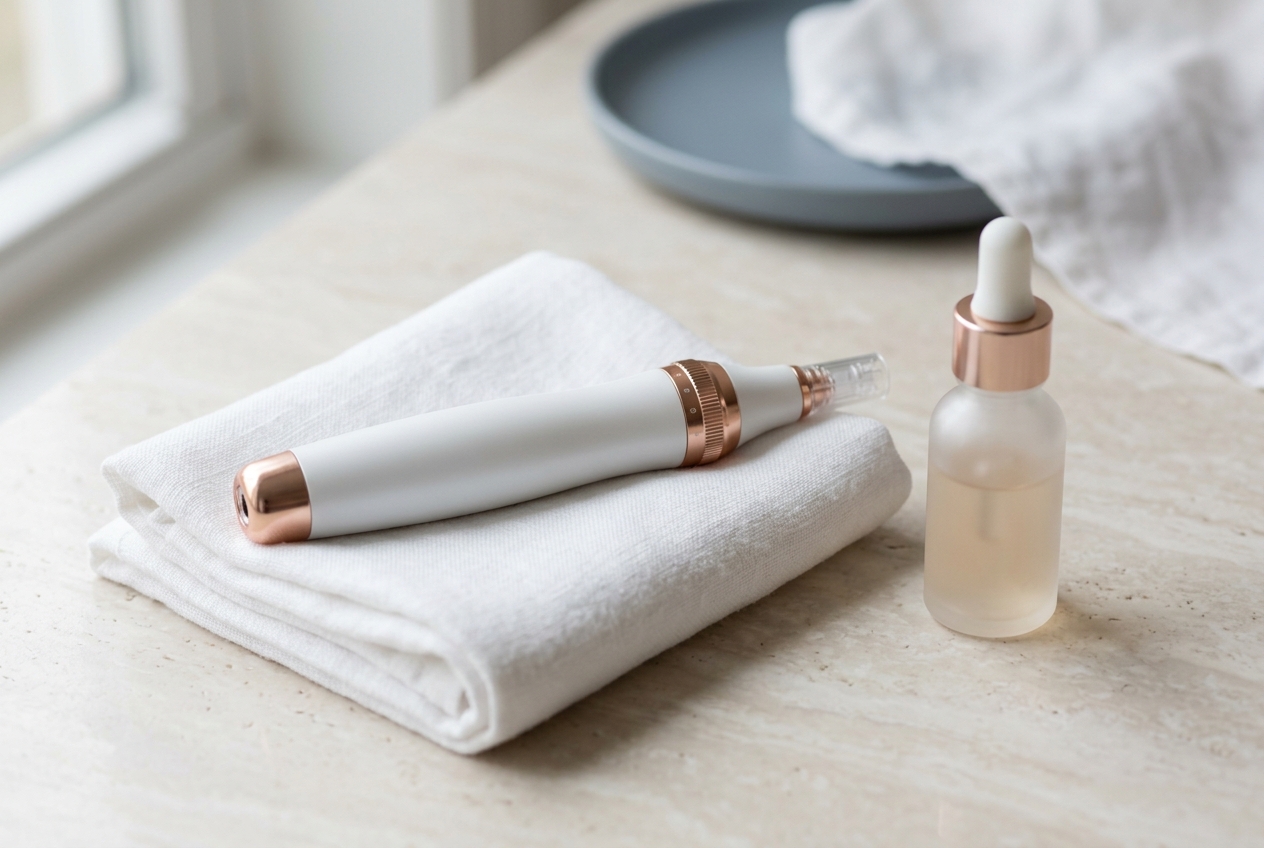
During: A pen or roller fitted with fine needles is passed over the target areas to create the micro-injuries. A single session typically takes 20 to 60 minutes, depending on the size of the area being treated.
After: Skin looks flushed, like a mild sunburn, for a day or two. Good aftercare protects the results:
- Apply gentle, hydrating serums such as hyaluronic acid, and skip harsh or active ingredients at first.
- Avoid direct sun and use a broad-spectrum sunscreen.
- Keep the skin clean and hydrated, and don’t pick or over-exfoliate while it heals.
Sessions are usually spaced about 4 to 6 weeks apart so the skin can fully recover and build collagen between treatments. Clinics use professional-grade devices, which reach deeper than at-home tools and are the better choice for meaningful scar improvement.
What are the risks, and who should avoid it?
Microneedling is generally low-risk when done correctly, but it isn’t for everyone. Common, short-lived side effects include:
- Redness, mild swelling, and tenderness for a few days
- Minor flaking, dryness, or pinpoint bleeding
- Rarely, infection or pigment changes, more likely if aftercare is ignored or an untrained provider is used
Avoid or delay microneedling if you:
- Have active acne, eczema, psoriasis, rosacea, warts, or a herpes/cold-sore outbreak in the area
- Are pregnant
- Are prone to keloid scarring
- Have taken isotretinoin (such as Accutane) within the last several months
- Have open wounds, sores, or a recent history of radiation therapy in the area
A consultation with a dermatology professional is the safest way to confirm microneedling is right for your skin.
How does microneedling compare to peels and lasers?
Microneedling is one of several ways to treat acne scars, and it’s often chosen for its balance of results and downtime:
- Chemical peels exfoliate the skin’s surface with an acid solution. Light peels have short recovery, while deeper peels can require up to two weeks of healing.
- Laser resurfacing uses focused light to remove or heat skin layers. It can be very effective but often carries more downtime and a higher chance of pigment changes, especially on darker skin tones.
- Microneedling generally has shorter recovery (a couple of days) and a lower risk profile, though it usually takes several sessions to see the full effect.
The best choice depends on your scar type, skin tone, and budget, another good reason to get a professional assessment before you commit.
Frequently asked questions
Does microneedling get rid of acne scars completely?
It significantly softens and improves atrophic acne scars over a series of sessions, but complete removal isn’t guaranteed. Deep ice-pick scars in particular often need microneedling combined with other treatments for the best result.
Can microneedling cause acne breakouts?
It can if it’s done over active acne, which is exactly why that’s avoided. On clear skin, some people notice temporary purging or small breakouts as the skin adjusts, but this usually settles quickly with good aftercare.
How many microneedling sessions do I need for acne scars?
Most people need a series of sessions spaced roughly 4 to 6 weeks apart. The exact number depends on scar depth and how your skin responds, so your provider can set expectations after assessing your skin.
Is microneedling safe for all skin tones?
Microneedling is generally considered safer than many lasers for darker skin tones because it doesn’t rely on heat, which lowers the risk of pigment changes. Sun protection and careful aftercare still matter for everyone.
Can I do microneedling at home for acne scars?
At-home pens and rollers exist, but they use shorter needles and can’t match professional results. Only use them on skin that’s free of active breakouts, keep everything sterile, and read the guide to the best microneedling pen before you start.
How long until I see results?
Because results depend on new collagen forming, most people see gradual improvement over several weeks to a few months, with further gains after each session.
Bottom line: microneedling is a proven way to reduce acne scars and refine skin texture, just not something to run over active breakouts. Clear the acne first, then let microneedling repair what it left behind.
Some providers say you can microneedle active acne, who is right?
It is genuinely debated. The mainstream, safest position is not to needle over inflamed or pustular acne, because it can spread bacteria and worsen breakouts. A minority of practitioners do treat active acne. The use case nearly everyone agrees on is post-acne marks and scars, where microneedling clearly helps.
Will microneedling fix ice-pick or deep acne scars?
Not always on its own. Rolling and shallow boxcar scars respond best. Ice-pick and deep tethered scars often need TCA CROSS, subcision, or laser instead of or alongside microneedling. Expect 3 to 6 sessions spaced 4 to 6 weeks apart, and with deeper skin tones, choose a provider experienced with higher Fitzpatrick types to avoid pigmentation.

Kathy is a certified nutrition & health coach, long-time model, and lifelong skincare devotee. After years in the fashion industry, where your skin is your business card, she went deep on what actually works and founded ProNeedling. She tests the tools, treatments, and products we cover.