
Yes, microneedling and Botox can be combined as part of a skincare plan, but timing and spacing matter. Because the two treatments do very different jobs, most providers keep them sequenced or on separate visits rather than needling directly over fresh Botox injections.
This guide breaks down how each treatment works, why they are often paired, how they are usually spaced, and how to stay safe. As always, the right plan is the one your qualified provider builds for your skin.
What is the difference between microneedling and Botox?
They are often mentioned together, but they target different problems:
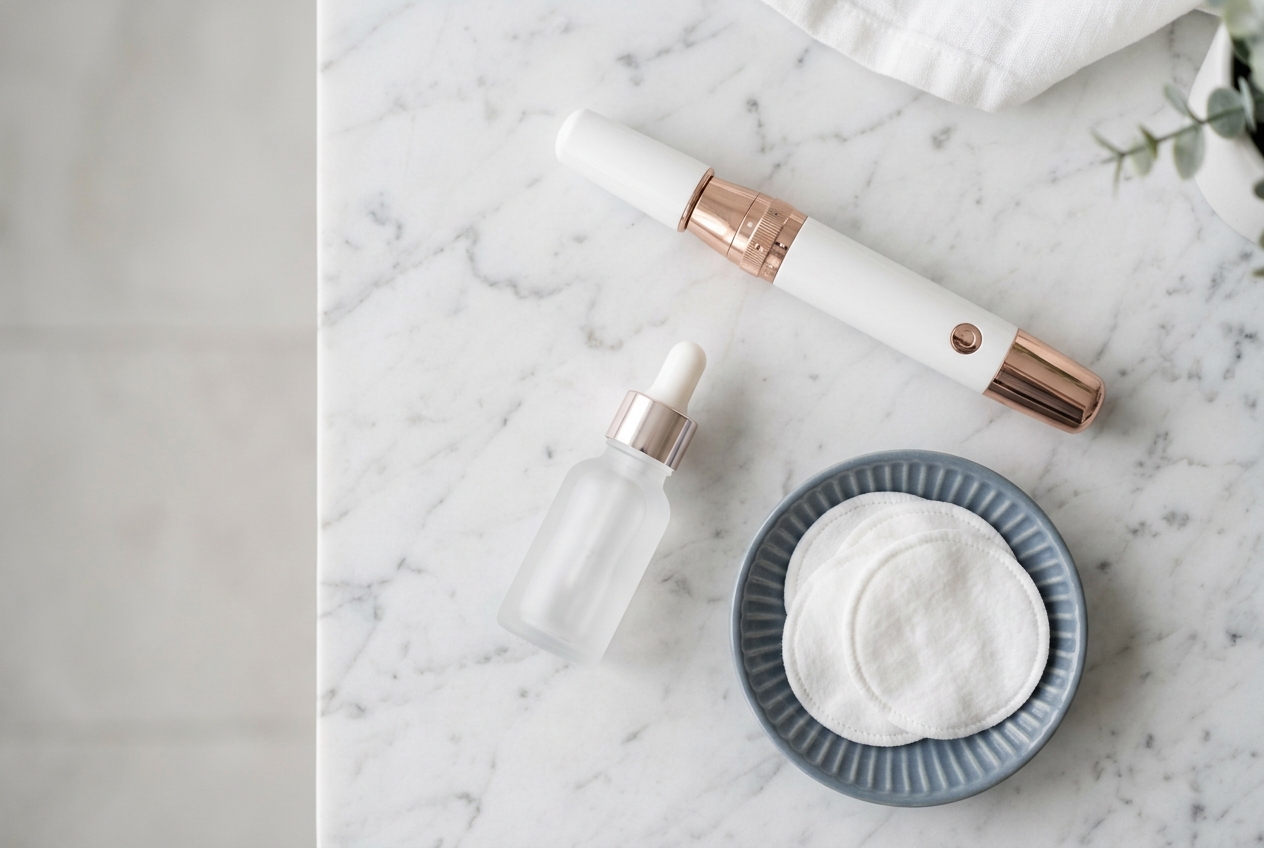
- Microneedling uses fine needles to create controlled micro-injuries in the skin. This triggers the body’s natural healing response and stimulates collagen and elastin, which can improve skin texture, fine lines, pores, tone, and acne scars. Learn more in our guide to what microneedling is.
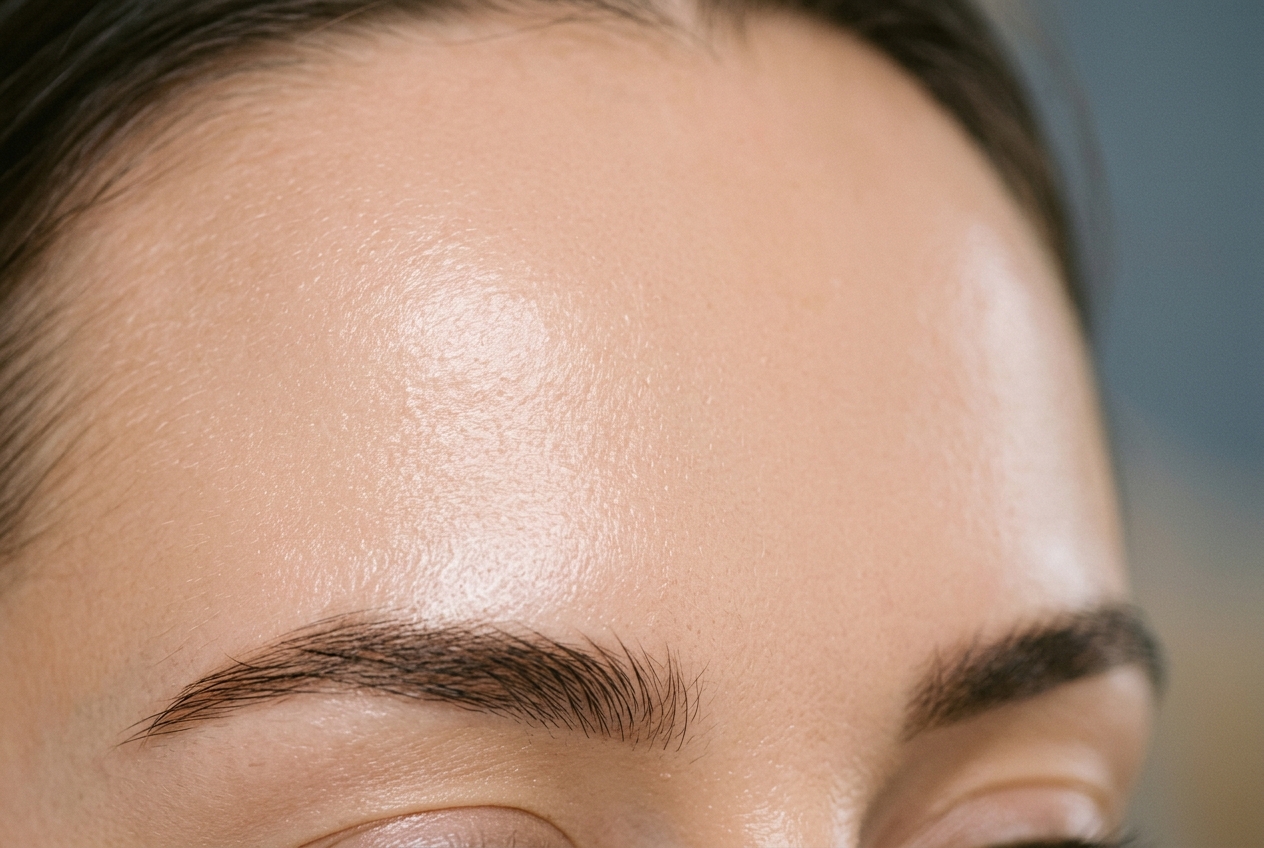
- Botox (botulinum toxin) is injected into specific muscles to relax them. It softens dynamic wrinkles, the movement-based lines such as frown lines, crow’s feet, and forehead lines.
In short: microneedling works on skin quality and texture, while Botox works on muscle movement. Because they address different concerns, providers often use them together in a broader rejuvenation plan.
Can you combine microneedling and Botox?
Yes. Combining the two is common, but “combined” usually means sequenced or spaced within a treatment plan, not needling on top of a fresh injection. A few key points:
- Standard microneedling should avoid needling directly over fresh Botox injection sites, since disturbing the area could theoretically move product away from the target muscle.
- Some providers do Botox first, let it settle, then microneedle on a later visit. Others microneedle first and inject Botox afterward, or keep the two treatments on separate days.
- The exact order and interval are a clinical judgment call. Your provider decides based on your skin, the areas being treated, and your goals.
How much time between Botox and microneedling?
There is no single universal rule, and protocols vary from provider to provider. In practice, many clinicians either sequence the two carefully within one visit (keeping the needling away from injection points) or space them out, often anywhere from a few days to about two weeks. The safest answer is simple: follow the interval your provider recommends for your specific plan.
What about “microtox” or “mesotox”?
You may see the terms microtox or mesotox used in this conversation. These describe a separate technique in which very small, highly diluted amounts of toxin are placed superficially into the skin rather than deep into muscle, with the goal of refining pores, surface oiliness, and fine surface texture.
This is not the same as combining standard microneedling with standard Botox. If a clinic mentions it, ask them to clarify exactly which treatment they mean so your expectations match the procedure.
Does RF microneedling change anything?
RF microneedling adds radiofrequency heat energy to the needling process for deeper tightening. The same principle applies: keep the treatment coordinated with any Botox plan and avoid working directly over fresh injection sites. You can read more in our overview of RF microneedling.
Is it safe to combine microneedling and Botox?
When performed by a qualified, licensed provider following a proper plan, combining the two is generally considered safe. Both treatments are minimally invasive and have strong safety records on their own. Keep these points in mind:
- Needle placement matters. Microneedling should not be done directly over fresh Botox injection points.
- Expect mild, temporary effects. Redness, light swelling, and tenderness are common and usually settle within a day or two.
- Not everyone is a candidate. Active skin infections, certain skin conditions, and pregnancy are reasons to hold off. A good provider screens for this first.
- See a professional promptly if any reaction is severe or does not improve as expected.
The bottom line: microneedling and Botox can work well together because they solve different problems, but the results and safety depend on correct timing and a qualified provider’s plan.
Frequently asked questions
Can I get microneedling and Botox on the same day?
Sometimes, if your provider sequences them carefully and keeps the needling away from Botox injection sites. Many providers prefer to space the two out. Follow the plan your provider recommends.
Should Botox or microneedling come first?
Both orders are used in practice. Some providers do Botox first and microneedle at a later visit; others microneedle first. There is no single correct order for everyone, so it is a clinical decision for your provider.
How long should I wait between Botox and microneedling?
There is no universal waiting period. Intervals vary widely between providers, from careful same-visit sequencing to spacing the treatments out. Ask your provider for the timing that fits your plan.
Can microneedling affect existing Botox results?
This is exactly why providers avoid needling directly over fresh injection sites. Once Botox has settled and is coordinated within your treatment plan, microneedling targets skin texture rather than the treated muscles.
Is microneedling with Botox safe for all skin types?
Microneedling is used across a range of skin types, but suitability depends on your skin and health history. A qualified provider will assess whether the combination is appropriate for you.
What is the difference between microtox and regular Botox?
Regular Botox is injected into specific muscles to relax movement-based wrinkles. Microtox (or mesotox) places very diluted toxin superficially in the skin to refine surface texture and oiliness. They are different techniques with different goals.

Kathy is a certified nutrition & health coach, long-time model, and lifelong skincare devotee. After years in the fashion industry, where your skin is your business card, she went deep on what actually works and founded ProNeedling. She tests the tools, treatments, and products we cover.